
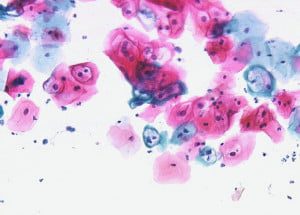
Abnormal PAP Smear

Abnormal PAP Smear

Abnormal PAP Smear Result
Abnormal Pap Smear Result

A PAP Smear is a screening test to check for abnormalities in the cells of the cervix. These changes are called dysplasia.

The dysplasia could be low grade changes and/or high grade changes.

Low Grade Abnormality

Low grade change means changes due to infection with HPV and abnormalities in the lower one third of the cervical cells. Most of these infections are usually cleared by the body’s immune system. If the abnormal pap smear diagnosis of low grade abnormality is confirmed, then you will need regular observations through colposcopy and pap smears. Surgical treatment is usually not necessary.

High Grade Abnormality

High Grade Abnormality means you will need a Colposcopy .

With high grade abnormality, pre-cancer cells may be present and they involve the surface smear of the cervix. They are likely to become cancers and invade deeper layer if left untreated. If high grade abnormalities are detected, you will be asked to attend a colposcopy and a treatment.

Pap Smear  – Cervical Screening Test

A Pap smear (cervical screening test) is a vital part of preventive women’s health care, designed to detect early cellular changes in the cervix before they develop into more serious conditions. Even low-grade abnormalities deserve careful follow-up, as they can progress or be associated with human papillomavirus (HPV) infection, the key driver of cervical dysplasia. Persistent HPV, particularly high-risk strains like HPV 16 and 18, increases the likelihood of cellular changes, making regular screening essential for early detection and intervention.

In addition to colposcopic evaluation, further assessment may include targeted biopsies or HPV genotyping to establish the most appropriate management plan. Treatment options for significant cervical abnormalities can range from excisional procedures, such as LEEP (loop electrosurgical excision procedure) or cone biopsy, to ablative therapies, all aimed at removing dysplastic tissue while preserving cervical function. Early and personalised care not only reduces the risk of progression to cervical cancer but also supports reproductive health and future screening outcomes.

Symptoms such as bleeding after intercourse, intermenstrual bleeding or unusual discharge should always be assessed in conjunction with cervix screening results. While these can be associated with benign conditions like cervicitis or polyps, they may also signal underlying pathology that warrants specialist review. Consulting an experienced gynaecologist ensures a thorough examination, appropriate testing and a tailored treatment approach to safeguard your overall cervical and reproductive health.

For further information about Abnormal PAP Smears & Bleeding After Intercourse, please contact Dr. Singla's office.

Scroll to Top