What Are Uterine Fibroids?
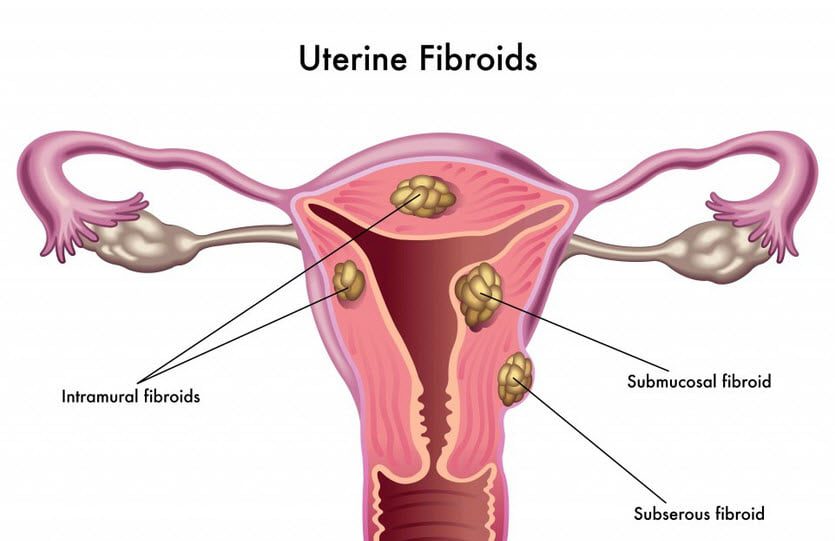
Uterine fibroids are non-cancerous growths that develop within the muscular wall of the uterus and are among the most common gynaecological conditions affecting women during their reproductive years. Fibroids can vary significantly in size – from tiny, undetectable nodules to large masses that distort the shape of the uterus – and may occur as a single growth or in multiples. While many women with fibroids experience no symptoms at all, others may notice heavy or prolonged menstrual bleeding, pelvic or lower back pain, abdominal pressure, bloating, or urinary frequency due to pressure on the bladder.
How Are Fibroids Diagnosed?
Diagnosis usually begins with a detailed medical history and pelvic examination. A pelvic ultrasound is the most common imaging test used to confirm the presence, size and location of fibroids. In certain cases, further imaging such as an MRI scan may be recommended, particularly if surgical treatment is being considered or if more detailed mapping of the fibroids is required.
Treatment Options for Uterine Fibroids
Management of uterine fibroids is highly individualised and depends on symptom severity, fibroid size and location, age, and future pregnancy plans. Treatment options range from medical therapies to control heavy bleeding and pain, to minimally invasive procedures such as laparoscopic myomectomy (removal of fibroids while preserving the uterus) or uterine artery embolisation, which reduces blood supply to the fibroids to shrink them.
For women who have completed their family or whose symptoms are severe and persistent, hysterectomy (surgical removal of the uterus) may be recommended as a definitive solution.
Potential Complications and When to Seek Care
Although fibroids are benign, they can sometimes lead to complications such as iron deficiency anaemia from ongoing heavy bleeding, fertility difficulties, or discomfort during pregnancy. If you are experiencing persistent heavy periods, pelvic pressure, pain, or changes in bladder or bowel habits, early assessment by a gynaecologist is important. Timely diagnosis and personalised treatment can significantly improve quality of life and protect long-term reproductive health.